
Flooded Basement Restoration in Jeffersonville, IN
Flooded basement restoration in Jeffersonville, IN: extraction, drying, sanitation and the cause addressed.
- Sump and Source Checked
- Walls and Floors Dried
- Contents Triaged
- Available 24/7
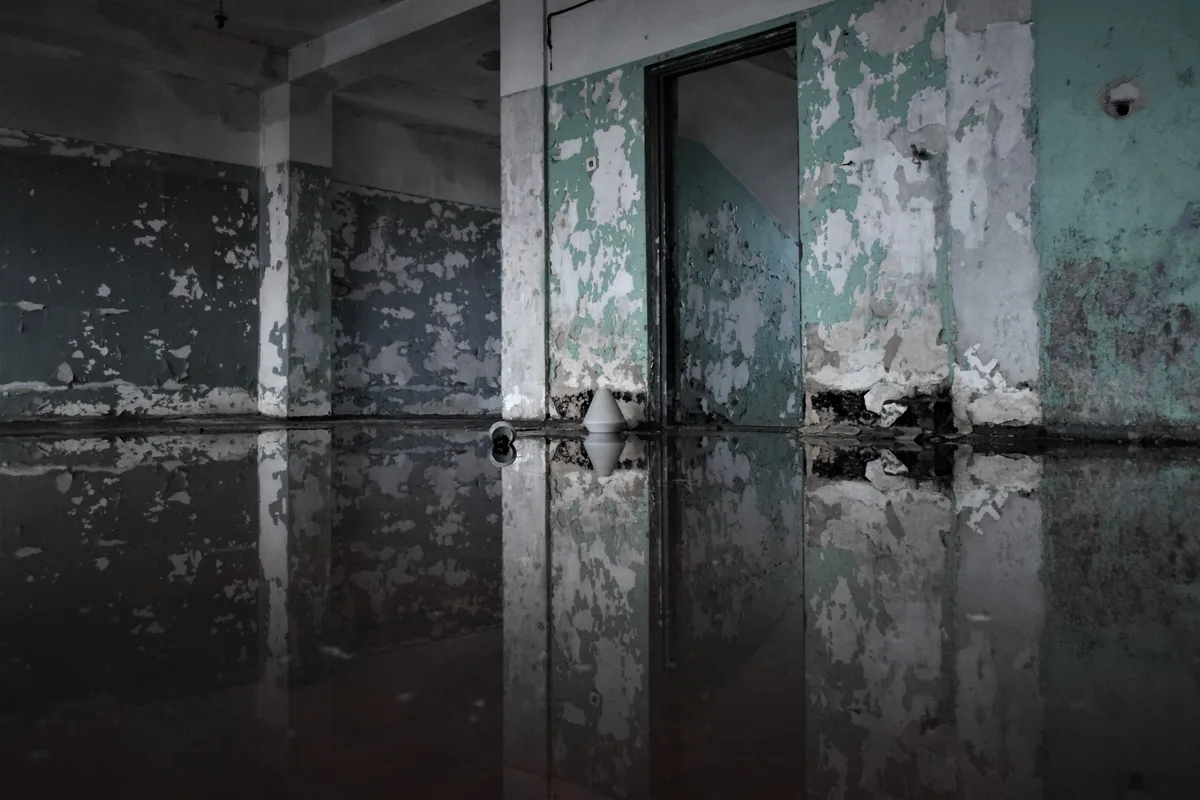
The basement is where Jeffersonville water goes first: below the water table on the low streets, at the end of every failed sump pump, and through every foundation crack the river and the rain can find. Basement restoration is its own discipline because a basement is not a room that flooded; it is a concrete box that holds water against the house's structure, wiring, furnace and everything stored in it.
The work runs in the basement's own order. The source is identified first, sump failure, sewer backup, foundation entry or a plumbing break, because extracting against a live source is wasted work. Then the water comes out, the contents are triaged while they can still be saved, the walls and floors are dried against readings, and everything the water touched is cleaned and sanitized, including the concrete itself.
Jeffersonville's housing stock runs from riverfront streets and the Rose Hill hillside to the Spring Street blocks downtown, the Charlestown Pike corridor and the newer subdivisions off Veterans Parkway, and flooded basement restoration in Jeffersonville has to fit the house it lands in. The professional who takes your call works these streets through every flood season and reads the house as it actually is: basements below the water table, crawl spaces along the low ground, and ground floors that have met the river before.
Signs Your Basement Flood Did More Than Wet the Floor
- Water lines on the furnace, water heater or stored boxes
- Efflorescence or new cracks weeping on the foundation walls
- A sewer or earthy smell that survives the cleanup
- Paneling or finished walls soft at the base
- Rust starting at the feet of appliances and shelving
How Basement Restoration Runs
The professional finds and stops the source, extracts the water, and dries the structure against daily readings. Contents are triaged early, while saving them is still possible, and the scope covers each stage in writing before work begins.
- Find the source. Sump, sewer, foundation or plumbing: the entry is identified and stopped first.
- Extract. Standing water pumped and vacuumed out, including behind finished walls where it hides.
- Triage the contents. What can be saved is moved up and dried; what cannot is listed before it goes.
- Dry the structure. Walls, floors and framing dried against a daily moisture log.
- Sanitize and scope the fix. Everything treated, and the cause, pump, valve or crack, priced into the plan.
The visit for {kw} starts with the evidence: where the water came from, how high it stood and for how long, read from the water lines, the meters and the materials themselves. Anything hidden that could change the job, water behind a finished wall, a sewer line still backing up, a floor system soaked through, is flagged there, before a price exists.
You then get a written scope for {kw}: the affected areas, the extraction and drying plan, the materials that must come out and the price, set out line by line. Work starts only when you approve that scope, and the professional you spoke to on the phone is the professional who runs the job.
What Flooded Basement Restoration Costs
Basement work prices by depth, finish and cause. An unfinished basement with two inches of clean water is a contained job; a finished basement with soaked drywall, carpet and a sewer backup is a larger one, and the drying of a finished wall system is real work. The written scope separates extraction, drying, tear-out and contents so you can judge each part.
Keeping the Basement Dry Next Time
Most basement floods have a mechanical story: a pump that aged out, a check valve that failed, a discharge line that froze. The restoration ends with those points named, a battery backup and a backwater valve priced honestly, and the stored belongings that matter moved onto shelving. A basement's next flood is usually its last flood's cause, unaddressed.
Flooded Basement Restoration Questions
The water came up through the floor drain. What is that?
That is usually the sewer or storm system backing up under pressure, pushing water back through the lowest opening in the house. It makes the flood category 3 by definition, contaminated, and it points at a backwater valve as part of the fix. The visit confirms the route from the evidence before anything is recommended.
Can a finished basement be dried without gutting it?
Sometimes, where the water was clean and shallow and the wall system allows drying from the base. Where water stood deep or dirty, or insulation inside the wall is soaked, the base of the wall has to open. The readings and a small inspection opening settle it honestly, and the scope explains the call before the work.
My basement floods a little every spring. Is that worth a visit?
Yes, because a little water every spring is a cause announcing itself while it is still cheap: a grading problem, a failing pump, a crack that is growing. Repeated small floods also do cumulative damage to framing and stored belongings that no single cleanup reverses.
Flood Water Does Not Wait. Neither Should You.
Call +1 (844) 468-2611 and the call goes straight to a Jeffersonville restoration professional who can extract the water, scope the work in writing and dry the house properly.
Call +1 (844) 468-2611Available 24/7 · No forms, no call centre · The call goes directly to the professional
Ohio River Flood Pros is an introduction service for flooded basement restoration in Jeffersonville. One call reaches a local restoration professional directly; the inspection, written scope and restoration are that professional's work. For the safety side of any flood, the federal flood safety guidance at Ready.gov sets out what to do before, during and after the water.