
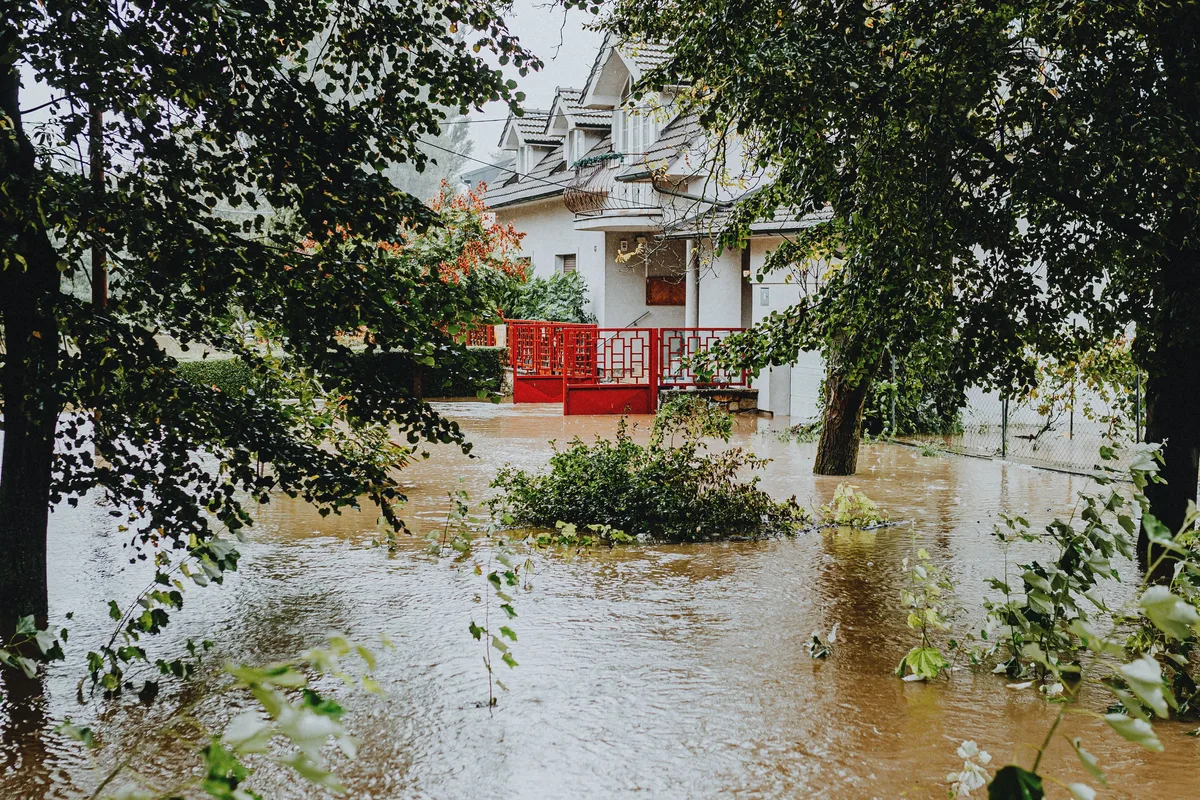
Full flood damage restoration for Jeffersonville homes: extraction, drying proven by readings, sanitation, and the house put back, all scoped in writing first.
- Written Scope First
- Daily Moisture Readings
- Full Restoration
Ohio River City · Jeffersonville, Indiana
One call reaches a local restoration professional directly. The water comes out, the structure is dried against daily moisture readings, and you get a written scope for your house, not a national average and not a guess over the phone.
Power off to wet areas first. Nobody wades in water that could be live or contaminated.
Extraction inside the first day keeps the tear-out list short and the mold window closed.
Equipment set by meters, readings logged daily, until the structure reaches its dry standard.
Everything the water touched sanitized, then repairs on a house proven dry.
The First 24 Hours: what a flood job in Jeffersonville runs on, from the first call to the dry standard.
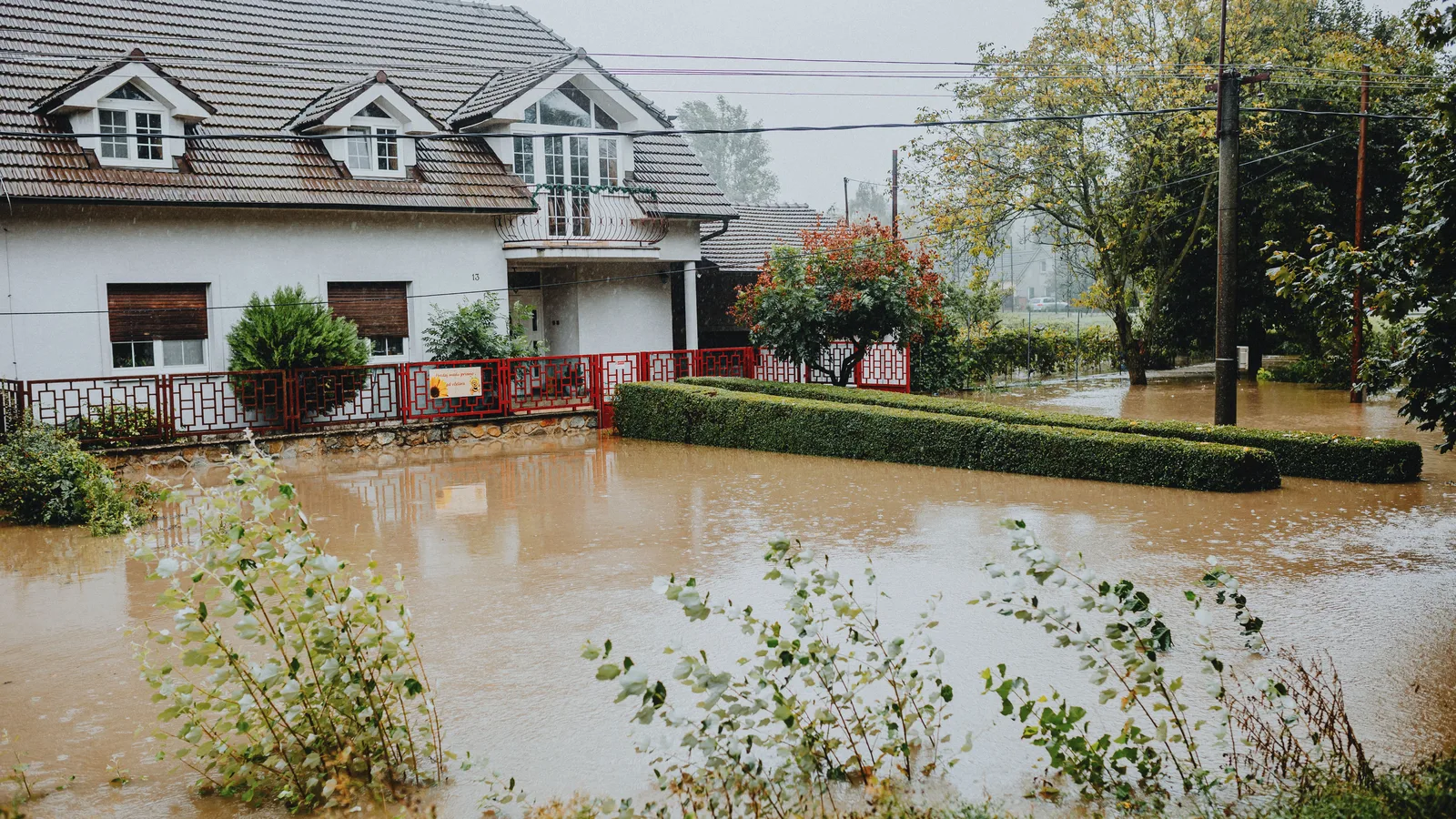
Jeffersonville sits on the north bank of the Ohio River, across the water from Louisville, in the shadow of the Big Four Bridge. It is a river city in the full sense: the Falls of the Ohio sit just downriver, the floodwall stands along the riverfront, and whole neighbourhoods, Riverside Drive, Rose Hill, the streets below the bluff, live with the river as a neighbour that occasionally comes to visit.
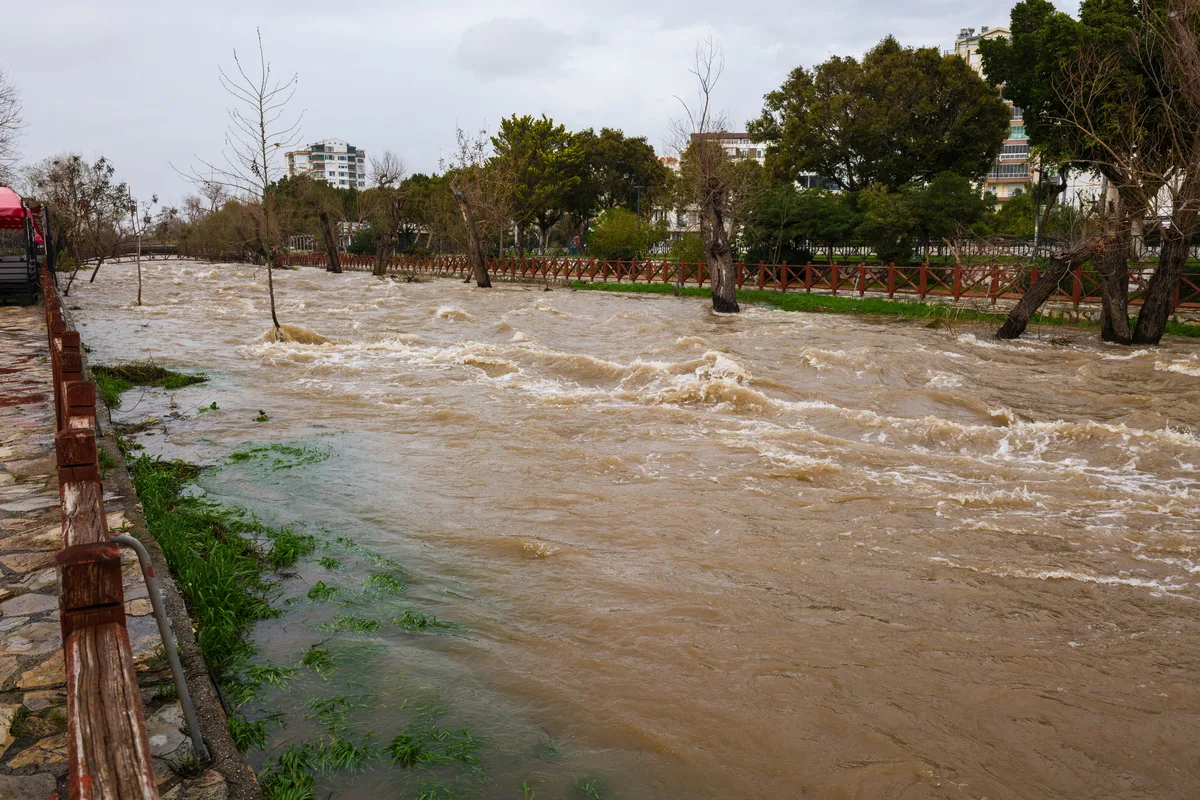
The river is only half the story. The other half is water with nowhere to go: spring storms that drop inches in an hour, sump pumps that quit during the outage that comes with the storm, sewer lines that back up when the system is overwhelmed, and low ground along the creeks and old drainage lines that fill first and drain last. The 2009 flood and the February 2018 crest both taught the same lesson: in Jeffersonville the question is rarely whether water gets in somewhere, it is how fast it is dealt with when it does.
That is why the work here is built around the clock. Flood water that stands for a day is a cleanup; water that stands for three is a demolition list and a mold problem. Extraction, drying and sanitation run as one job with one standard: the moisture readings, logged daily, decide when a structure is dry, not a calendar and not a guess.
Every service below starts the same way: the water source stopped or identified, the damage read with meters, and a written scope before work begins.
Full flood damage restoration for Jeffersonville homes: extraction, drying proven by readings, sanitation, and the house put back, all scoped in writing first.
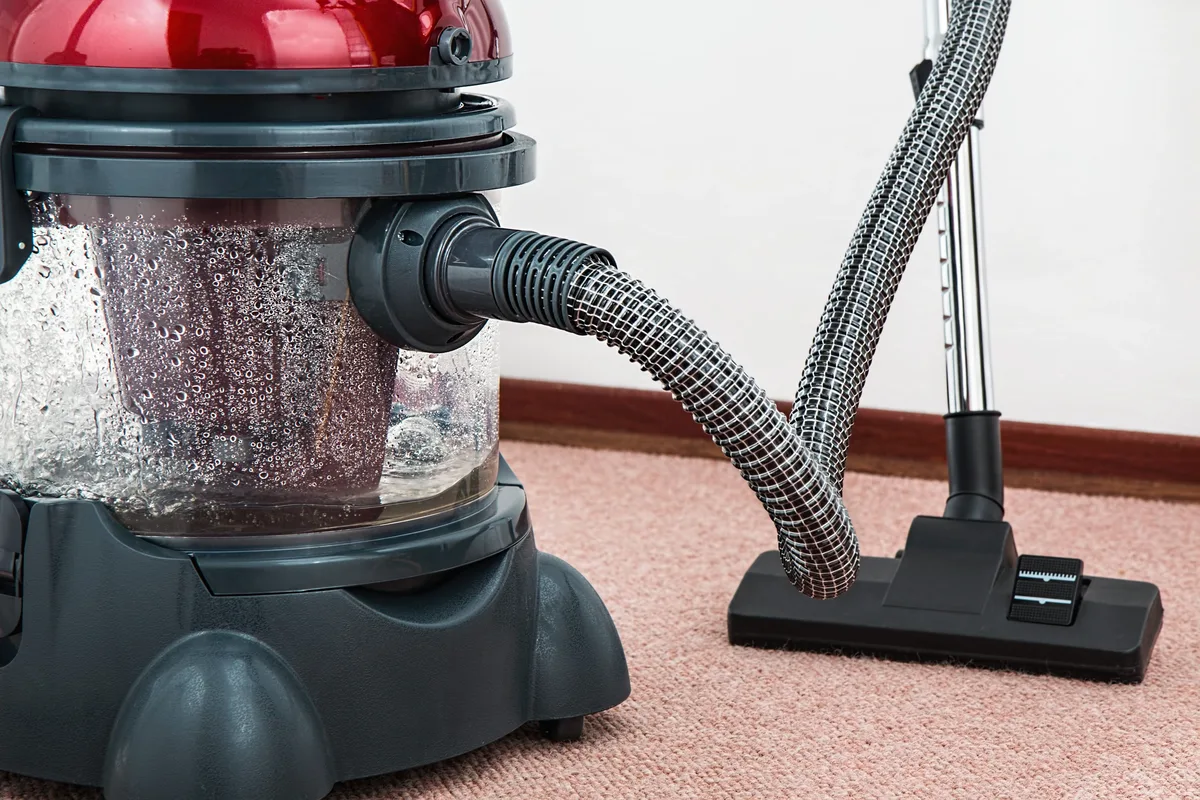
Emergency flood water removal in Jeffersonville: standing water extracted fast, before it climbs walls and spreads under floors, then scoped in writing.
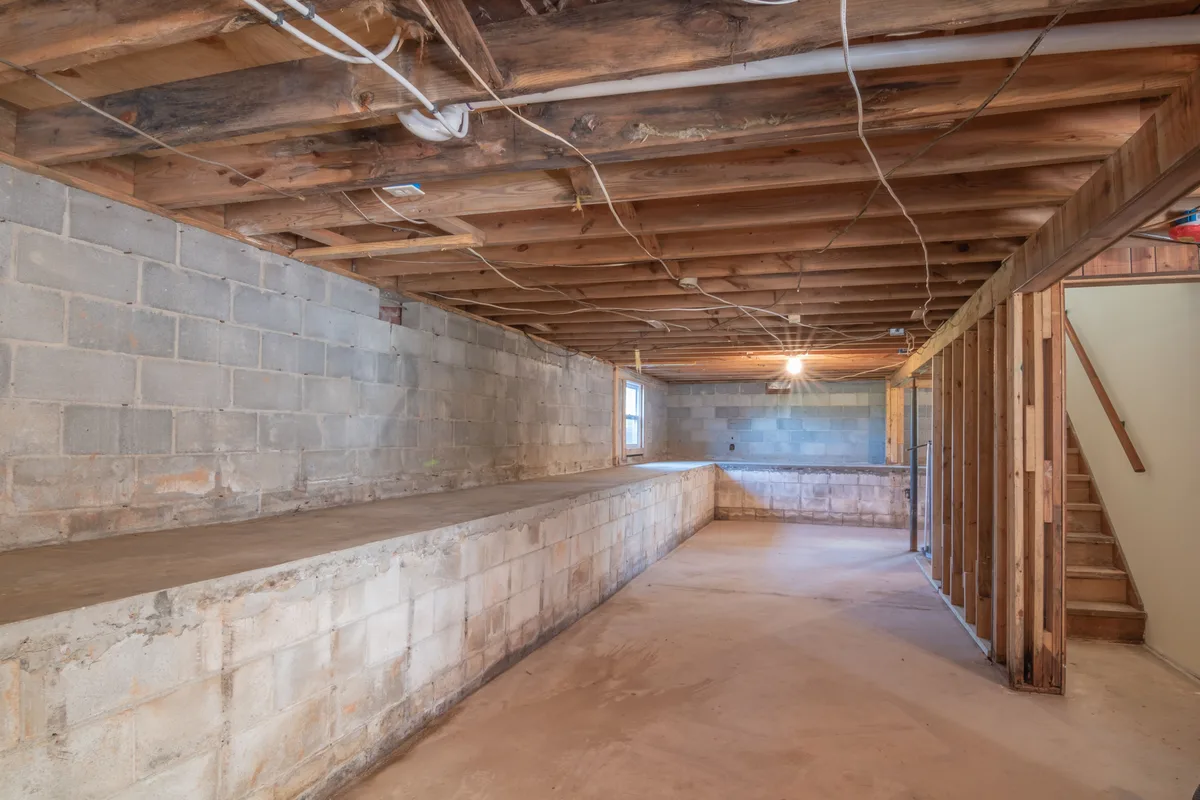
Flooded basement restoration in Jeffersonville: water out, walls and floors dried against readings, contents triaged, and the cause dealt with.
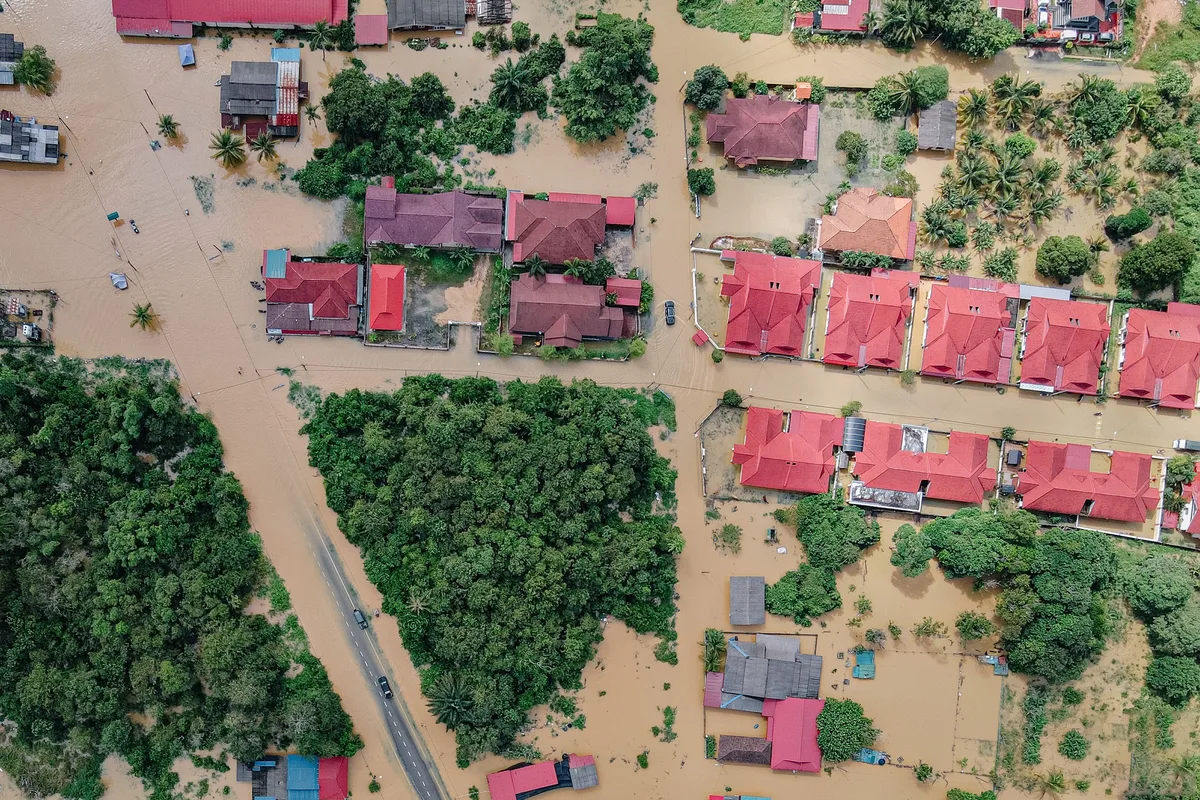
Ohio River flood cleanup for Jeffersonville's riverfront streets: mud and silt out, structures dried, everything sanitized after the river goes home.
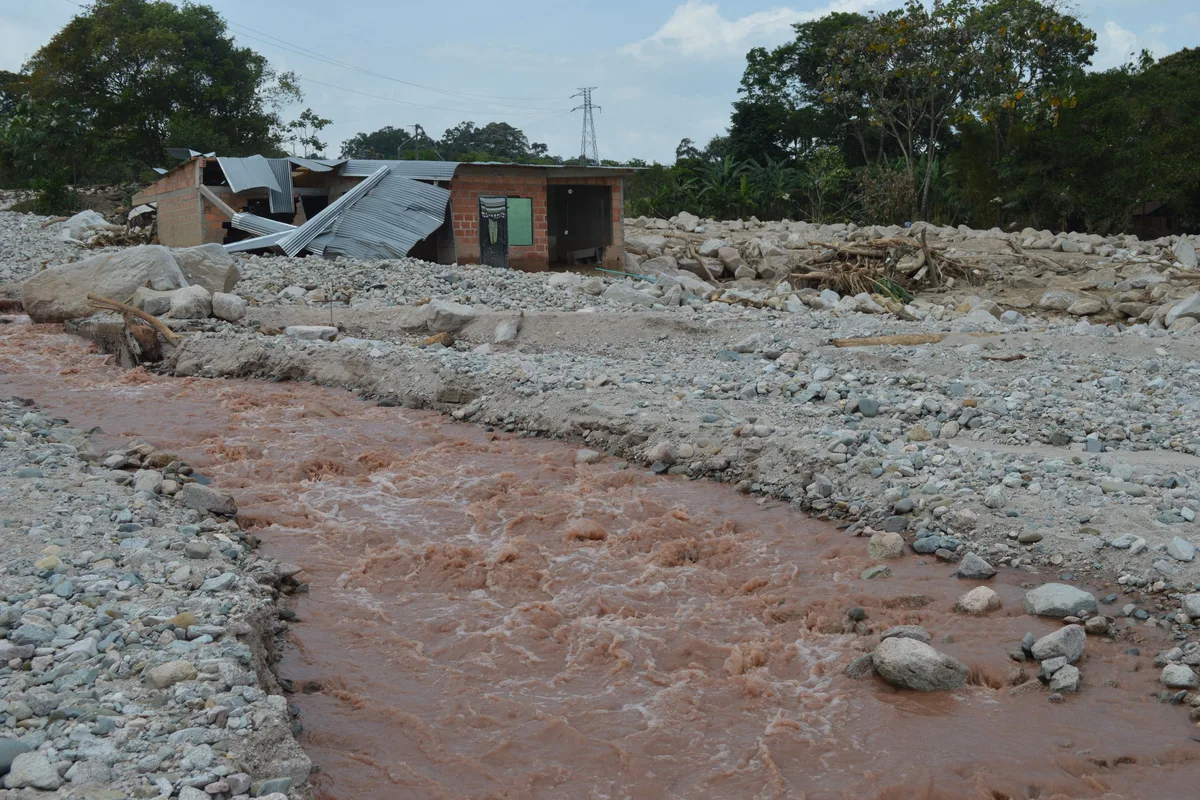
Storm flood damage repair in Jeffersonville: rain driven in through storm damage and pooled from flash flooding, dried, repaired and scoped as one job.
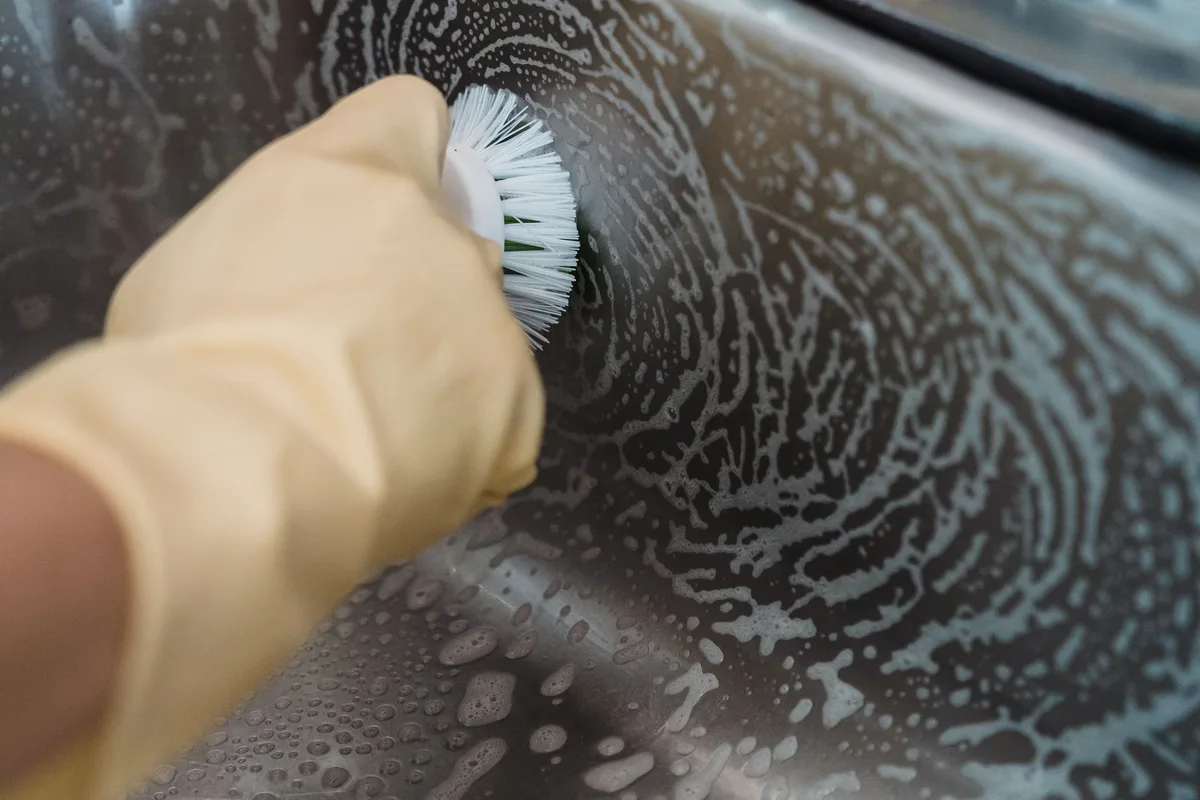
Sewage backup cleanup in Jeffersonville: category 3 water handled with protection, contaminated materials removed, everything sanitized and dried.
Structural drying and dehumidification in Jeffersonville: air movers and dehumidifiers set by meter readings, adjusted daily, closed on a proven dry standard.

Flood damage contents cleaning in Jeffersonville: furniture, clothing and belongings triaged fast, cleaned and dried where they can be saved, listed where they cannot.

Mold prevention after flooding in Jeffersonville: the drying and treatment that stop mold starting, done inside the window when prevention still works.

Commercial flood restoration in Jeffersonville: shops, offices and restaurants dried and restored with the downtime, documentation and phasing a business needs.
Call +1 (844) 468-2611 and the call goes straight to a Jeffersonville restoration professional who can extract the water, read the damage and scope the work in writing.
Call +1 (844) 468-2611Available 24/7 · No forms, no call centre · The call goes directly to the professional
No surprises is the goal. A typical Jeffersonville flood job follows the same five stages whether it is two inches in a basement or a river crest through a ground floor.
| Stage | What happens | What you see | Typical timing |
|---|---|---|---|
| Read and scope | Meters map the water through walls, floors and framing; the scope is written from the map | The map, the plan and the price, before work | First visit |
| Extraction | Pumps and extractors remove the standing water, including under floors | Water gone; cavities opened where the scope requires | Hours |
| Tear-out | Materials the water ruined are removed and disposed of | Walls opened at the flood line; debris out of the house | Day 1 to 2 |
| Drying | Air movers and dehumidifiers run against the moisture log, adjusted daily | Readings falling toward the dry standard at every point | Days 2 to 5 |
| Sanitation and close | Every contacted surface cleaned and treated; final readings taken | A proven dry standard and a signed-off scope | Final visit |
Nine neighbourhoods, one standard: the water out fast, the drying proven by readings, and a written scope before any work is agreed.
Downtown Jeffersonville, the Spring Street blocks between the riverfront and Court Avenue, is the city's oldest building stock: brick commercial buildings, upper-floor flats, and houses that have stood through every flood the river has sent since the floodwall went up.
Rose Hill, the hillside neighbourhood rising east of downtown above Riverside Drive, holds some of Jeffersonville's finest older homes, including the Howard Steamboat Museum's mansion streets.
The NoCo Arts District, the blocks north of Court Avenue along Spring Street, is Jeffersonville's creative quarter: studios, galleries, small venues and the homes around them, many in converted older buildings.
Riverside Drive runs along the Ohio at Jeffersonville's southern edge, past the riverfront parks and under the Big Four Bridge, with the Falls of the Ohio just downriver.
The Big Four Station area, the streets around the Indiana ramp of the Big Four Bridge and its park, mixes older homes, riverfront apartments and the small businesses that serve the bridge crowds.
The Charlestown Pike corridor, Indiana 62 running north-east from the city toward Charlestown and the River Ridge commerce centre, mixes established neighbourhoods, road-front businesses and rural-edge properties.
Utica Pike runs east out of Jeffersonville along the Ohio, a river road of older homes, small farms and long lots between the bluff and the water.
The Veterans Parkway area, Jeffersonville's retail corridor of big shops, restaurants and services near the interstate, is the city's commercial engine.
Bridgepointe, the subdivision off Veterans Parkway on Jeffersonville's north side, is the city's newer stock: modern homes on graded lots, finished basements, and drainage built to a plan.
Outside these nine? The professional covers Jeffersonville ZIPs 47130, 47131, 47132, 47133, 47134, 47144, 47190 and 47199, and the riverfront communities around the city. See the full service areas page.
Flood work is priced by the job the water left behind, not by the hour, and the honest drivers are how much water stood, how long it stood, what category it was, and how much material it reached. Two inches of clean rainwater in a basement for six hours and a river crest through a ground floor for two days are different jobs with different math, which is why the scope is written after the reading, never guessed blind over the phone.
| The work | What sets the cost | What the work covers |
|---|---|---|
| Extraction and water removal | Depth of the water and the size of the flooded area | Pumps and extraction, including under floors and inside walls |
| Structural drying | How much structure is wet, and what it is made of | Equipment plus daily moisture readings to a proven dry standard |
| Tear-out and disposal | How much material the water ruined | Drywall, flooring and insulation removed and disposed of |
| Sanitation and mold prevention | The water category and the surfaces it touched | Cleaning and antimicrobial treatment of every contacted surface |
| Contents cleaning and pack-out | Volume of belongings, and how fast they were reached | Triage, cleaning, drying and the written loss list |
That written scope is the document that protects you. It names the areas affected, the extraction and drying plan, the materials to come out and the price, so two scopes can be compared line by line instead of number against number. Be wary of a figure dramatically lower than the rest: on flood work it usually covers the pumping and leaves the drying, and an undried structure keeps its damage and grows its mold quietly behind the walls.
For the safety side of a flood, the federal flood safety guidance at Ready.gov explains what to do before, during and after flooding, including why flood water should always be treated as contaminated until it is proven otherwise.
Urgent cases, standing water in a living space, a basement filling through a failed sump, are treated as the priority they are, and the line is answered around the clock. The honest timing is given on the call itself. What matters most is that extraction starts before the water has stood a full day: every hour of standing water is more material soaked, and more of the house moving from the dry-out list to the tear-out list.
Treat it as contaminated until it is proven otherwise. River water and storm runoff carry whatever they crossed on the way in, and a sewer backup is category 3 by definition. That is why the safety steps come first: power off to affected areas, no wading in water that could be energized, and children and pets kept out until the area has been cleaned and sanitized.
Some materials, sometimes. Drywall that wicked water up from a flood line is usually cut at the flood line or above it, because the insulation behind it cannot be dried in place. Hardwood, tile and concrete often dry in place with the right equipment. The readings decide, material by material, and the written scope names what comes out and why before it happens.
Yes, and they are the difference between drying and hoping. Moisture meters and humidity readings, logged daily, show whether the structure is actually releasing water, let the equipment be adjusted or moved, and produce the record that proves the house reached its dry standard. A job closed on a dry reading is finished; a job closed on a date is a guess.
Ohio River Flood Pros is an introduction service. One call reaches a local restoration professional directly, and the inspection, the written scope and the restoration are that professional's work, agreed between you and them before anything begins.